Depression affects millions of people worldwide, and for many, traditional treatments such as antidepressants and therapy do not bring full relief. In recent years, however, a surprising source of hope has emerged: psilocybin, the naturally occurring psychedelic compound found in certain mushrooms. Once stigmatized and banned, psilocybin is now at the center of groundbreaking research, offering new possibilities for mental health.
Psilocybin is a psychoactive compound that, when ingested, converts into psilocin in the body. Psilocin interacts with serotonin receptors in the brain, particularly the 5-HT2A receptor, which plays a role in mood, perception, and cognition. This interaction can produce profound shifts in consciousness, often described as mystical or deeply meaningful experiences. Many people report increased emotional clarity, a sense of interconnectedness, and new perspectives on their own thoughts and behaviors.
Several recent studies have shown promising results:
These findings suggest that psilocybin does more than mask symptoms—it may actually help people process emotions, break negative thought loops, and reconnect with themselves and the world in new ways. Brain imaging studies have shown increased connectivity between different brain regions after psilocybin sessions, which could explain the increased mental flexibility and openness people often describe.
Traditional antidepressants often require daily use and can come with unwanted side effects, such as fatigue, weight changes, or emotional blunting. Psilocybin therapy, on the other hand, typically involves one or two guided sessions, often in combination with psychological support. Participants often report a sense of profound insight, emotional release, and renewed perspective. The effects can be long-lasting because the sessions encourage reflection, integration, and a re-framing of thought patterns.
Beyond full-dose psilocybin therapy, microdosing has also gained attention. Microdosing involves taking very small, sub-perceptual amounts of psilocybin (often about 1/10th of a typical recreational dose) on a structured schedule, such as every three days. Unlike a full psychedelic experience, microdosing does not cause hallucinations or dramatic changes in perception. Instead, many people report gentle benefits such as:
While scientific research on microdosing is still in its early stages, preliminary studies and surveys suggest it may support mental well-being by promoting neuroplasticity—the brain’s ability to form new connections—and breaking cycles of rumination.
For many, microdosing isn’t about chasing a psychedelic experience—it’s about creating more balance in everyday life. People often describe it as a gentle lift that makes ordinary moments feel more manageable and meaningful. For example, someone might notice they have more patience with their children, find themselves enjoying a walk outside more deeply, or approach stressful tasks with less resistance. Over time, these subtle changes can compound, resulting in a noticeable improvement in overall mental health and daily functioning.
Psilocybin therapy or microdosing is most effective when combined with supportive practices, such as journaling, meditation, therapy, or mindfulness. Taking time to reflect on experiences, noticing patterns, and incorporating insights into daily life can amplify the positive effects. Many people find that pairing microdosing with regular self-care practices enhances emotional resilience, focus, and creativity.
Psilocybin is helping shift the mental health conversation from merely managing symptoms to exploring holistic and transformative approaches. It encourages self-reflection, emotional processing, and meaningful behavioral change. In many ways, it invites us to rethink how we approach depression, not as a problem to suppress but as a condition that can be addressed with insight, care, and support.
While psilocybin shows great promise, it is still under research and is not yet legally available in most places outside clinical trials. However, the momentum is growing: cities and states across North America are beginning to decriminalize or regulate its use, and more large-scale studies are underway. The hope is that, in the near future, psilocybin could become a widely accessible, evidence-based option for those who have not found relief with conventional treatments.
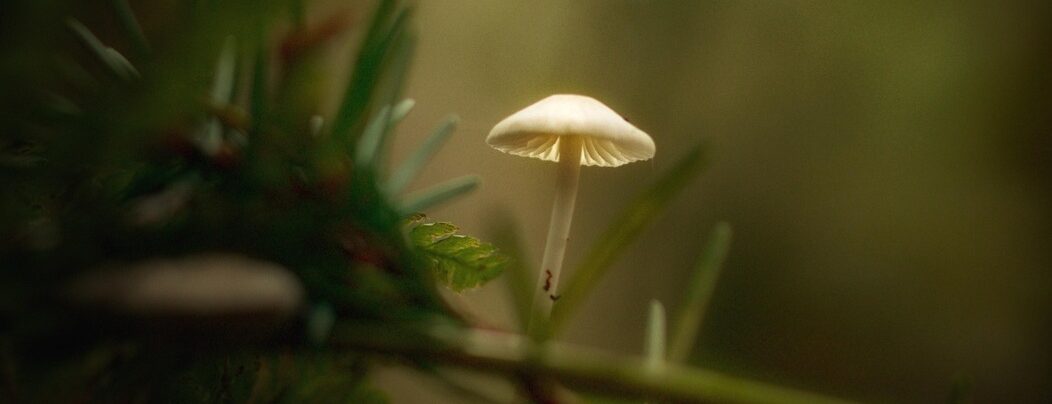
For those struggling with depression, especially when traditional treatments have not worked, psilocybin represents a ray of hope. It reminds us that healing can sometimes come from unexpected places—like the humble mushroom spore—and that transformation is possible through both bold experiences and subtle, daily shifts.
Disclaimer: This blog is for informational purposes only and should not be considered medical advice. Always consult a qualified healthcare professional before considering any form of treatment.
 Jennifer Rose